The Choreography of the Soil: Mastering Crop Rotation on the Allotment
When you look at a beautifully organised allotment at the peak of a summer afternoon, it is easy to view the growing areas as static pieces of garden furniture.
October 2026
When you look at a beautifully organised allotment at the peak of a summer afternoon, it is easy to view the growing areas as static pieces of garden furniture, permanent, unchanging homes for your favourite vegetables. The eye treats the plot like a painting, frozen in a state of perfect abundance. But beneath the surface, the soil tells a completely different story. To keep 800 square yards of land healthy, fertile, and thriving year after year, your crops can never stand still. They have to move.
Welcome to the ancient, strategic dance of Crop Rotation.
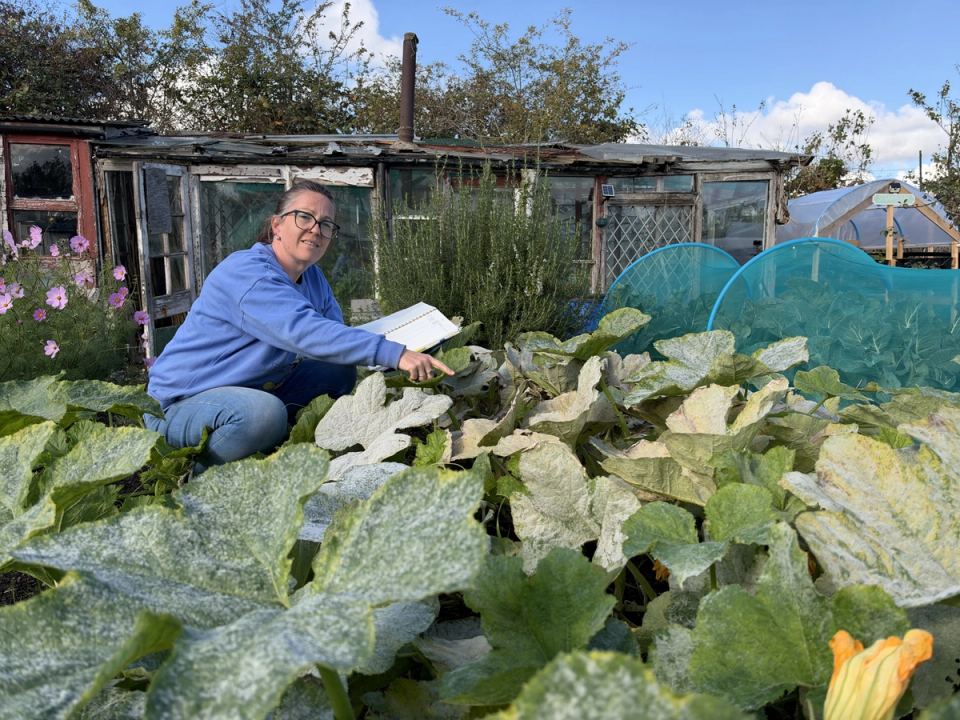
For us at Townes & Murray, learning to rotate our crops systematically across the sprawling expanses of Plots 121 and 122 hasn't just improved our yields; it has completely transformed how we see our land. It is the ultimate secret weapon for a healthy, sustainable allotment.
Why Rotate? The Science Behind the Switch
If you plant the same family of vegetables in the same patch of dirt year after year, two disastrous things happen to your soil:
- Nutrient Depletion: Different plants have different appetites. Heavy feeders like sweetcorn and brassicas will greedily suck out specific nutrients (like nitrogen), leaving the soil completely exhausted.
- Pest & Disease Build-Up: Soil-borne pests and diseases (like onion white rot or brassica clubroot) love consistency. If their favourite food stays in the same place, their populations explode in the soil, waiting to strike the next generation.
By moving your plant families to a completely fresh bed each year, you disrupt these unwanted visitors' life cycles and let the soil's nutrient profile recover naturally.
THE FOUR-YEAR ROTATION ORDER
Legumes & Cucurbits ──► Brassicas ──► Potatoes & Roots ──► Alliums
└───────────────────────────◄───────────────┘
How We Do It: The Townes & Murray Master Planner
When we first expanded our kingdom into a massive 800 square yards of growing space, we quickly realised that relying on simple wooden bed labels or memory wasn’t going to cut it. A plot this scale requires absolute precision. It sounds incredibly regimented, almost military in its execution, but being strict about your rotation schedule is the only foolproof way to guarantee you aren't accidentally inviting pests back to the dinner table.
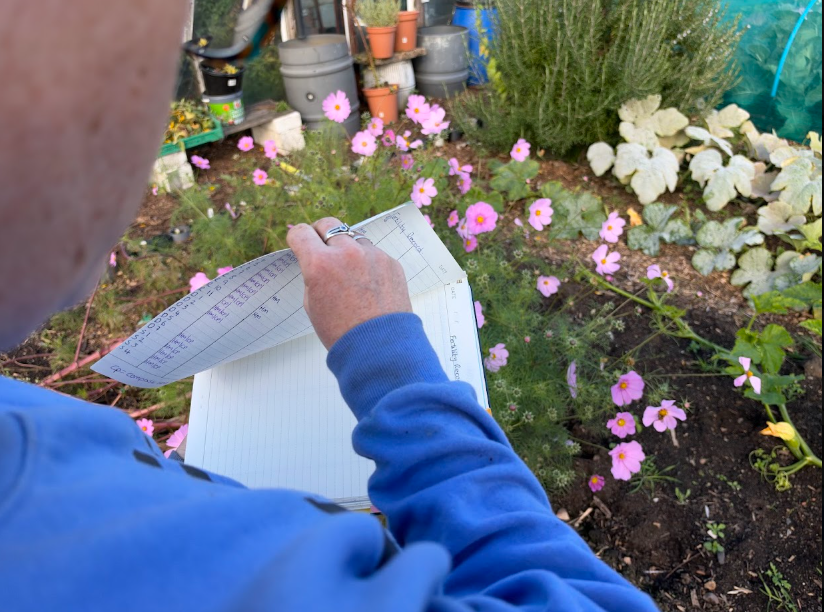
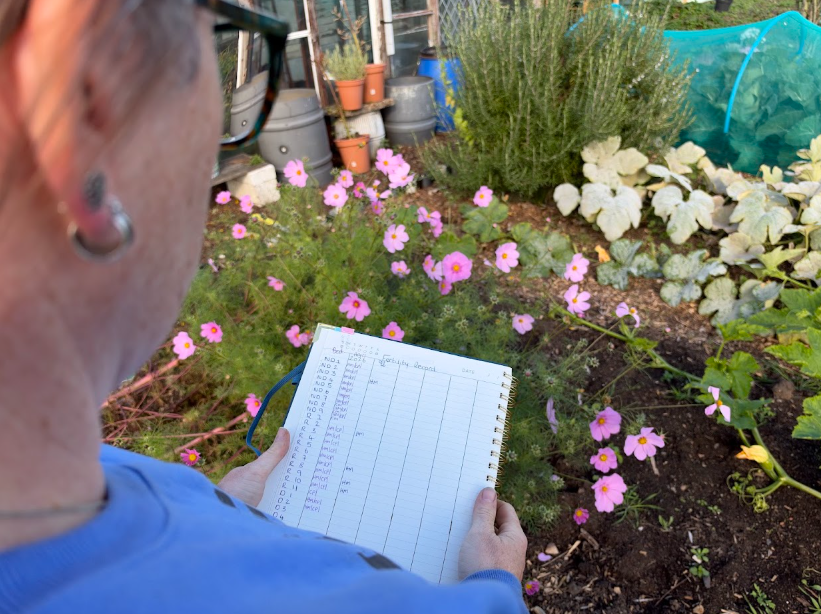
Instead of labels, the entire pulse of our allotment is run by a Master Allotment Planner. This binder is the sacred textbook of our journey, containing everything from our physical layout blueprints to our sowing logs, tracking every single variety of crop we seed.
THE OFF-SEASON STRATEGY BREAKDOWN
As the autumn air cools, Daniel and I sit down together with our planner
to orchestrate the year ahead.
We look over our variety performance logs, fertility charts, compost logs,
batch records, harvest records, and pest trackers.
We map out what we are going to grow next season, calculate exactly
where each variety needs to go, and project when the harvests will drop.
This strict discipline allows us to succession plant with absolute confidence,
knowing precisely what crop to sow into a bed the second a previous harvest
is lifted.
The Four-Year Allotment System
Using our master planner logs, we execute a highly structured four-year rotation plan across our open outdoor beds to keep the soil thriving:
- Year 1: Legumes & Cucurbits (Peas, Beans, Sweetcorn, Cucumbers, and Courgettes)
Peas and beans take nitrogen from the air and pump it back into the ground, naturally recharging the bed. This creates the perfect, nutrient-rich environment for our heavy-feeding Cucurbits, like cucumbers and courgettes, which absolutely thrive on the boost alongside the sweetcorn. - Year 2: Brassicas (Cabbages, Cauliflowers, Kale, Broccoli)
These move straight into the legume bed to greedily feast on all that fresh, stored nitrogen left behind the previous year. - Year 3: Potatoes & Root Crops (Carrots, Beetroot, Parsnips)
Potatoes break up the heavy soil texture, while carrots prefer a bed that hasn't been heavily manured. - Year 4: Alliums (Onions, Garlic, Leeks)
These essential kitchen ingredients occupy the final slot before the whole cycle resets.
The Greenhouse, Polytunnel & Container Exceptions
Of course, every good allotment story has its exceptions, especially when you inherit an incredible collection of structures. Heat-loving crops like tomatoes, chillies, peppers, and aubergines all belong to the Solanaceae (Nightshade) family. Because they are highly susceptible to soil-borne pests and blight, we bypass the outdoor bed rotation entirely and manage them in dedicated, controlled spaces:
THE STRUCTURE ASSIGNMENTS
- Tomatoes: Grown in large tubs inside the main polytunnel and the brick
Orangery. We simply refresh the tub compost annually. - Chillies & Peppers: Positioned to soak up the heat inside the dedicated
'Chillie Shack' and shared spaces within a polytunnel. - Aubergines: Luxury accommodation! These hungry, heat-worshipping plants
will have a whole polytunnel entirely to themselves to maximise their yields.
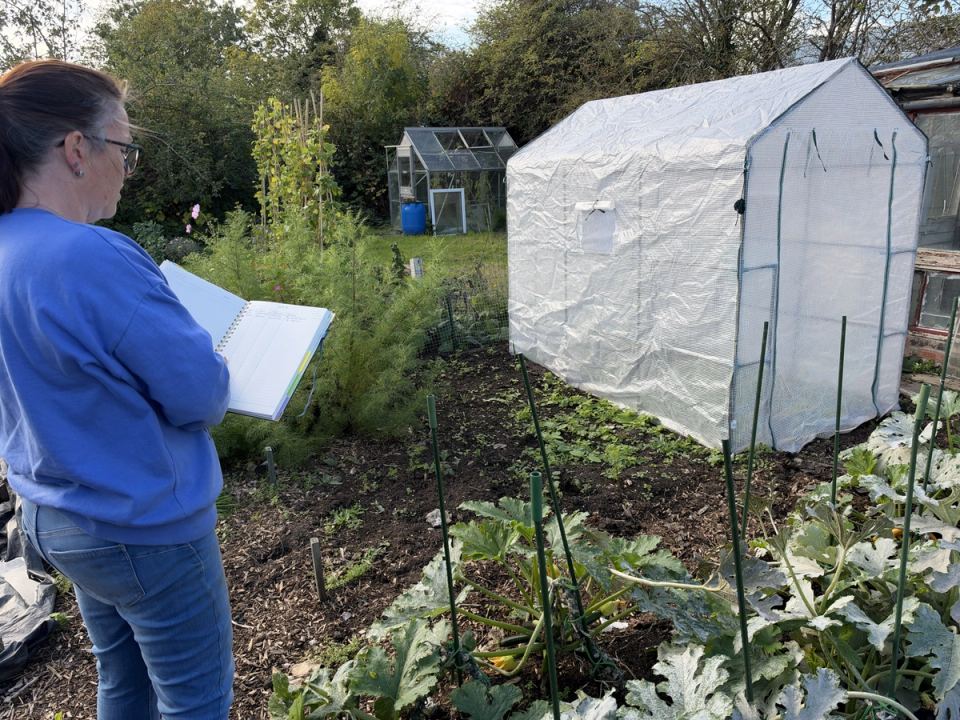
Meanwhile, our pear and plum trees, the sprawling raspberry bushes, our dedicated strawberry corner, and the rhubarb patch remain permanent residents. They stay exactly where they are, heavily mulched with our home-grown compost each autumn to keep them content.
Our Allotment Takeaway
Crop rotation is an ongoing conversation with your land. It requires a level of strict adherence that might feel intense at first, but keeping meticulous records in our planner and committing to the rotation is how we honour the time-tested, sustainable practices that our grandads used decades ago. It costs absolutely nothing, reduces our reliance on store-bought fertilisers, and keeps our 800 square yards of country happiness beautifully balanced.