

Life on the Allotment: More Than Just Growing Vegetables
There is something rather special about allotment life, an intangible quality that defies simple description. It is a slow, grounding magic that doesn't reveal itself immediately.
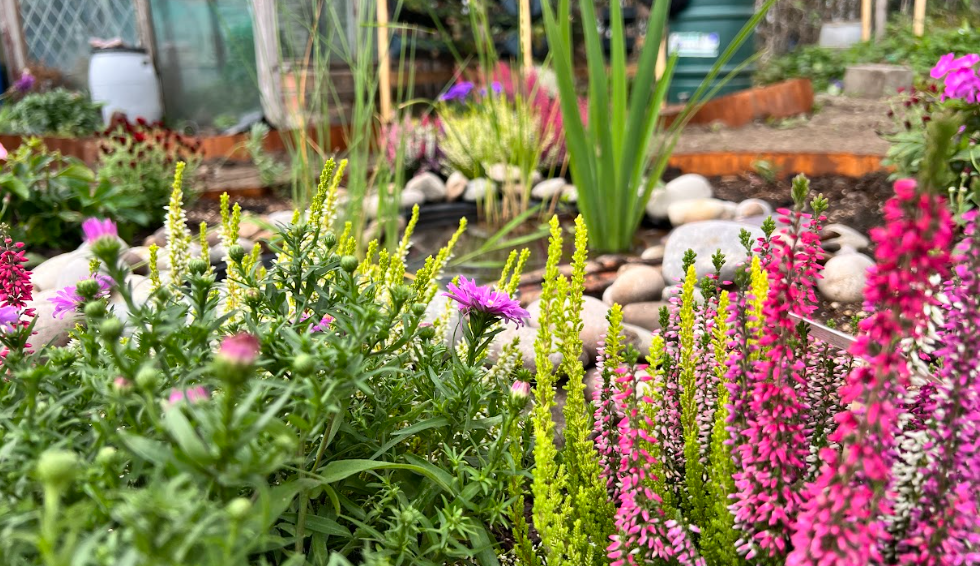
There is something rather special about allotment life, an intangible quality that defies simple description. It is a slow, grounding magic that doesn't reveal itself immediately. It’s certainly not just about growing your own vegetables, filling a glass greenhouse to the rafters with vibrant plants, or seeing how many prize-sized courgettes you can squeeze into a single growing season.
At its heart, it is about the simple, honest act of getting outside into the fresh country air. It is about getting your hands deep into the dark dirt, learning the ancient rhythms of the earth as you go, and slowing down enough to enjoy the quiet, little things that make allotment gardening so deeply rewarding.
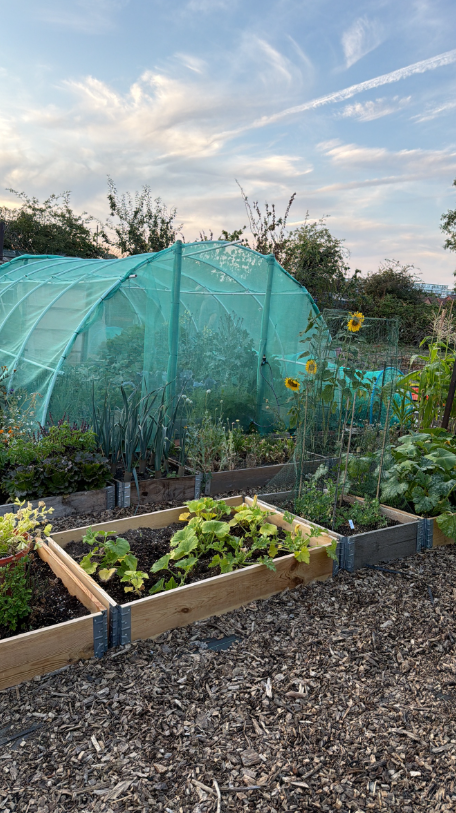
Welcome to Townes & Murray. Here, behind our weathered wooden latch, two allotment enthusiasts are discovering that the journey of growing your own food is every bit as challenging as it is beautiful. Whether you are an experienced gardener with decades of soil under your fingernails, a complete beginner holding your very first packet of seeds, or someone who is simply curious about the secret worlds that exist behind a locked allotment gate, there is a piece of country-cottage magic here for everyone.
A Little Patch of Happiness
To a passerby walking down the main avenue, an allotment might look like nothing more than a simple piece of land—a patchwork of soil, timber frames, and glass. But spend just a little time inside the boundaries of a plot, and you will soon realise just how much it truly has to offer the human spirit.
For us, Plot 121 and 122 have become a vital sanctuary. They offer a place to completely escape the noise of the everyday routine, a space where we can spend quiet time together, and a canvas where we can experience the profound satisfaction of growing something beautiful entirely from scratch.
THE ALLOTMENT REALITY CHECK
Make no mistake: the plot will always keep you humble. Things do
not always go according to the neat plans we draw up over winter.
Seeds stubbornly refuse to germinate; slugs seem to possess an
absolutely endless appetite overnight; and just when you think you
have finally gotten everything under control, another three jobs
mysteriously appear at the bottom of the list.
But that is part of the true fun. Every single season brings a fresh
lesson to learn, and even the heartbreaking mistakes are just an
opportunity to do things differently next time.
There is an addictive rhythm to the workload. There is always a task waiting for your hands, whether it is carefully preparing the raised beds in the crisp morning air, gently tucking tiny seeds into fresh compost, checking the water levels in the humid greenhouses, or figuring out how to manage the latest unexpected wild visitor who has decided to move into our borders.
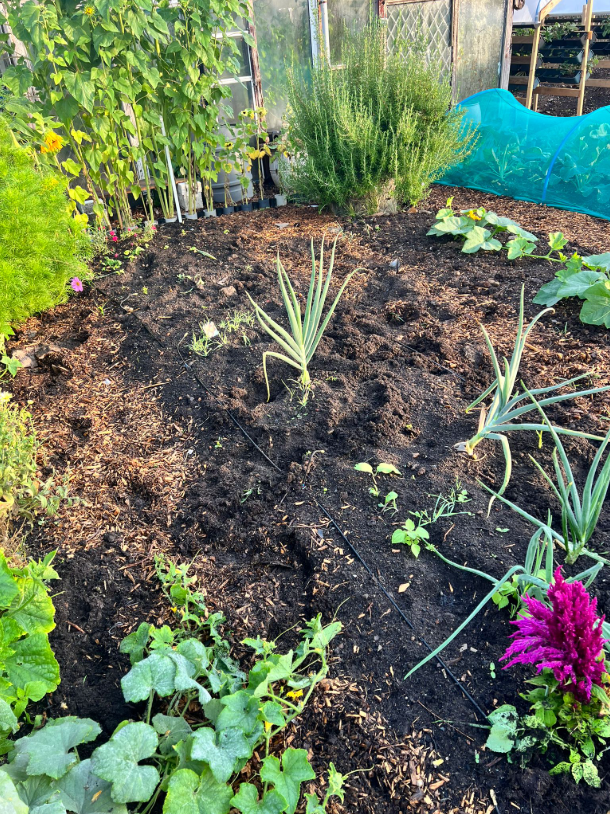
From Tiny Seeds to a Plentiful Harvest
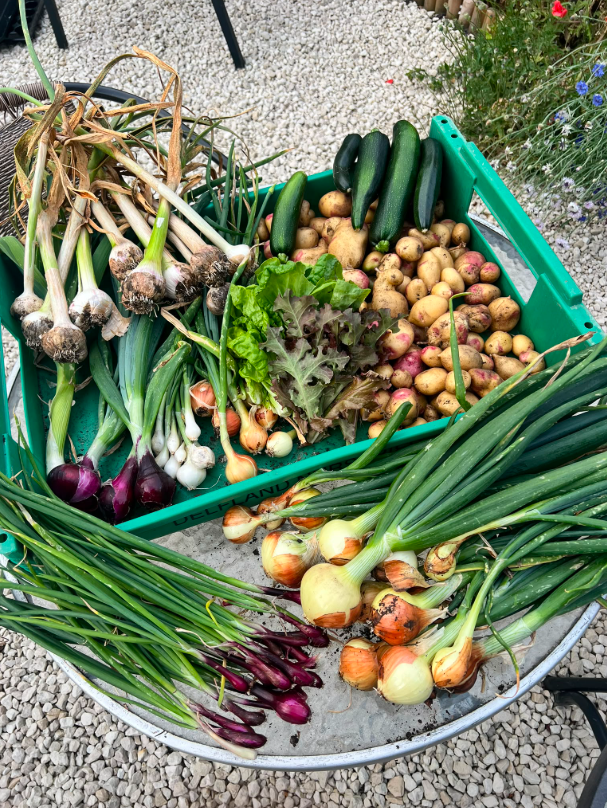
One of the absolute greatest pleasures of committing yourself to an allotment is the slow, miraculous process of watching your hard, physical labour turn into something tangible that you can actually carry into the kitchen and put on your dinner plate.
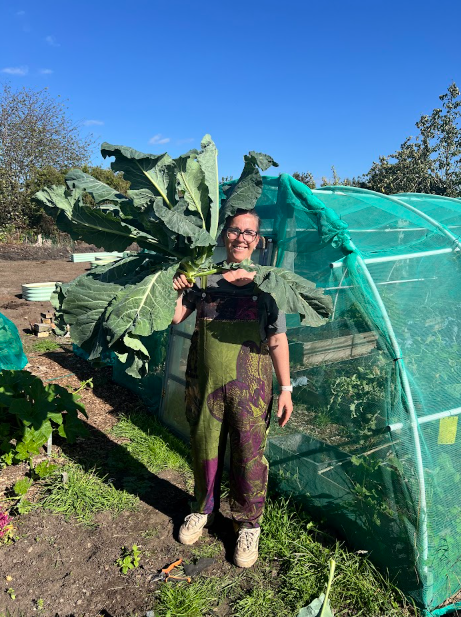
There is an incredible, unmatched feeling of satisfaction that comes from picking your very first sun-warmed tomato straight off the vine, pulling fresh, muddy carrots from the dark ground, or harvesting vibrant courgettes that seemed to expand to giant sizes when your back was turned for just a day
THE HARVEST PROFILE: OUR HOMEGROWN VARIETIES
- Courgettes: A reliable, heavy-yielding cottage favourite that never
seems to stop producing once the summer sun hits. - Tomatoes: Bursting with real flavour, perfect for eating fresh off the
stem or simmering down into rich culinary bases. - Beetroot: A wonderfully earthy and versatile crop that can be roasted
in winter, pickled in jars, or preserved. - Runner Beans: A classic British allotment staple that rewards regular,
daily picking with an abundance of crisp pods. - Garlic & Onions: The unsung heroes of the kitchen; slow to grow but
immensely satisfying to harvest and cure in the sun. - Cucumbers & Aubergines: Exotic, heat-loving crops that make full use of
the tropical climate inside our structures.
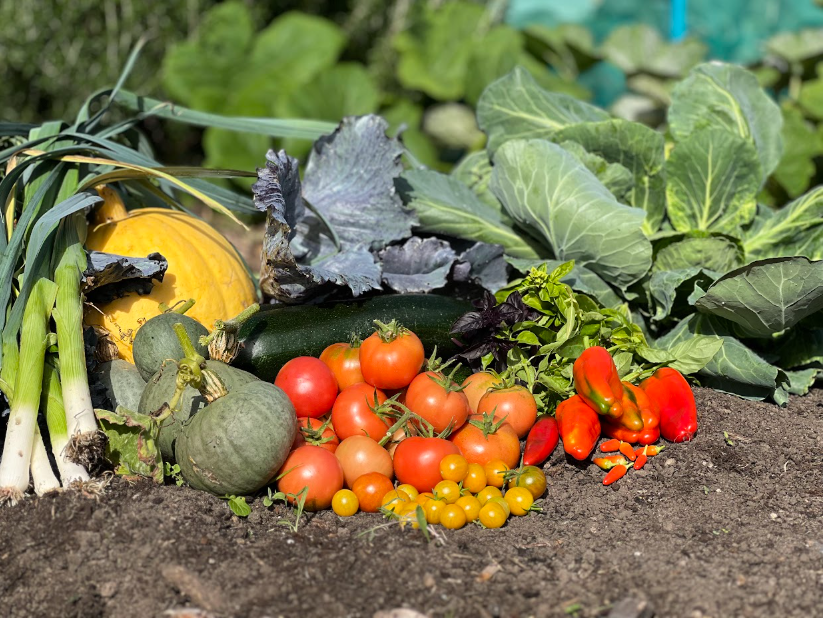
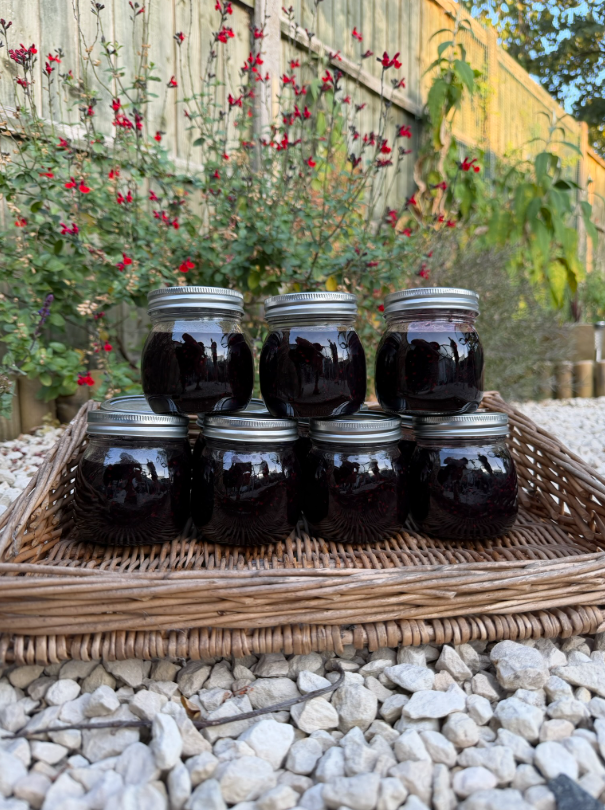
Of course, the physical harvest from the soil is only half the story. When the summer sun is kind, and the harvest is particularly generous, the adventure moves from the soil to the stovetop. We deeply enjoy the rustic art of turning our excess produce into homemade preserves, spiced relishes, and rich, vibrant sauces. There is absolutely nothing quite like walking into the pantry in the bleak middle of winter, opening a sealed glass jar, and instantly remembering the exact, sun-drenched afternoon that fruit was picked from the earth.
Making the Most of Our Growing Space
Space is the ultimate currency on any plot, so learning how to make the most of every available square metre is an ongoing art form. Our allotment is a beautiful, historic patchwork of raised beds, open growing plots, our old window-framed greenhouses, and our large polytunnel. Each structure serves its own distinct purpose, acting as a specialised microclimate that helps us extend our growing year through the unpredictable shifts of the British weather.
The polytunnel has become an invaluable asset for our heat-loving varieties. Tender tomatoes, crisp cucumbers, and glossy aubergines all thrive under its high, sheltered canopy, capitalising on the trapped humidity to produce fruit that would struggle in the open wind.
THE COMPANION EXPERIMENT
This year, we have been diving deep into the traditional wisdom of
companion planting. By combining different plants in the same beds,
we are working to maximise our space naturally.
We blend aromatic herbs to mask crop scents, bright flowers to attract
vital pollinators, and sacrificial trap crops to manage pests without
ever reaching for a chemical bottle.
It is a constant, living learning process. Some combinations work
brilliantly, while others don't quite match our expectations.
But that is the true beauty of gardening: there is always another
spring to experiment and try again.
The Unexpected Challenges of Allotment Life
It would be incredibly easy to paint allotment life as an idealised dream of endless summer sunshine, perfectly straight lines of beautiful vegetables, and overflowing harvest baskets. The reality, of course, is a lot muddier, windier, and far more unpredictable.
The British weather has a permanent habit of keeping us on our toes. One week we are hauling heavy watering cans under the blazing sun, worrying about drought, and the very next week we are standing in our boots under heavy grey clouds, wondering if our soil beds will ever dry out from the latest downpour.
Then, there are the pests. Slugs, aphids, and a whole host of unwanted visitors can quickly dismantle hours of painstaking work in a single evening. Rather than fighting nature with harsh interventions, we have been passionately exploring more sustainable, natural ways of managing these pressures. We focus on creating a balanced environment—encouraging predatory insects like ladybirds and hoverflies to do the hard work for us, and relying on simple, homemade, plant-safe treatments to keep the plot's delicate biodiversity completely intact.
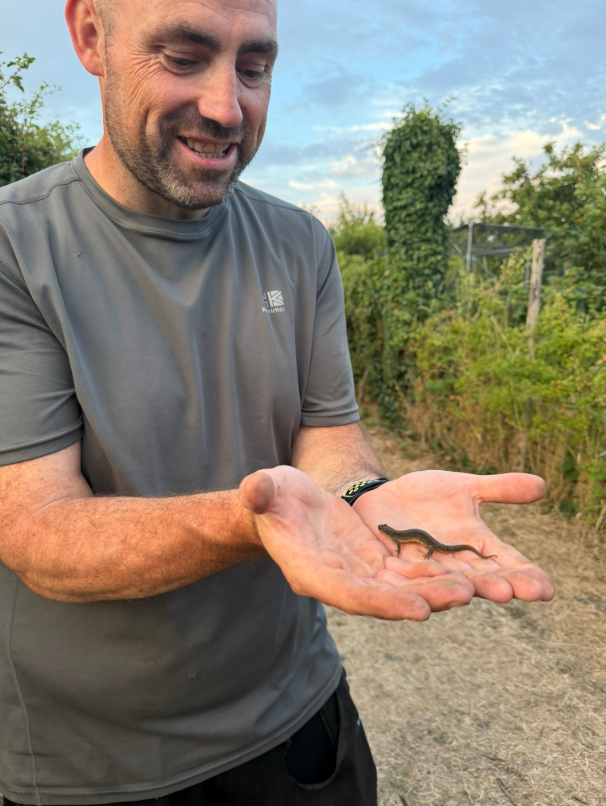
And, of course, let’s not forget the endless battle with the weeds. No matter how many hours you spend meticulously clearing them with a hoe or pulling them by the roots, they always seem to find a sneaky way back the moment your back is turned. But these relentless challenges are exactly what keep allotment gardening so fascinating. Every problem faced is just a hidden opportunity to learn, adapt, and build resilience.
Growing Sustainably and Reusing the Past
We are deeply committed to making our allotment as productive, sustainable, and eco-friendly as possible. For us, growing our own organic food is just the starting point of a much bigger philosophy. Truly honouring the land means looking at the whole ecosystem.
We focus on building rich compost piles, collecting every drop of rainwater that cascades off the greenhouse roofs, saving old pots for future seedlings, and completely avoiding unnecessary chemicals that disrupt the soil food web.
THE RECLAIMED PHILOSOPHY
Sustainability on the plot doesn't have to be complicated, high-tech,
or expensive. In fact, the most sustainable choices are often the most
old-fashioned ones.
Whether it's finding a creative kitchen recipe to use up an absolute
glut of summer courgettes before they spoil, or building structures
out of salvaged timber and old glass doors, we love giving materials
a second, purposeful life on the land.
The Best Part? Doing It Together
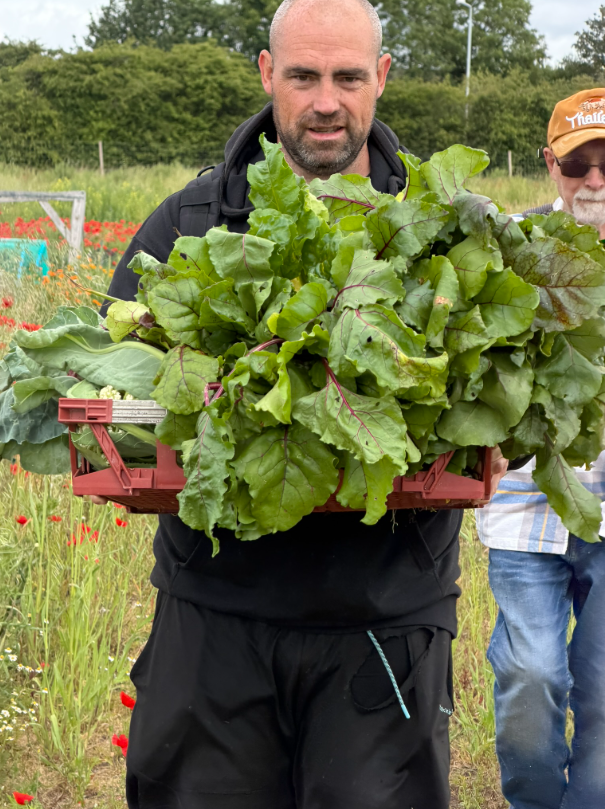
For all the rows of vegetables, the weekend building projects, and the steaming jars of preserves cooling on the counter, the absolute best and most meaningful part of allotment life is sharing the entire experience.
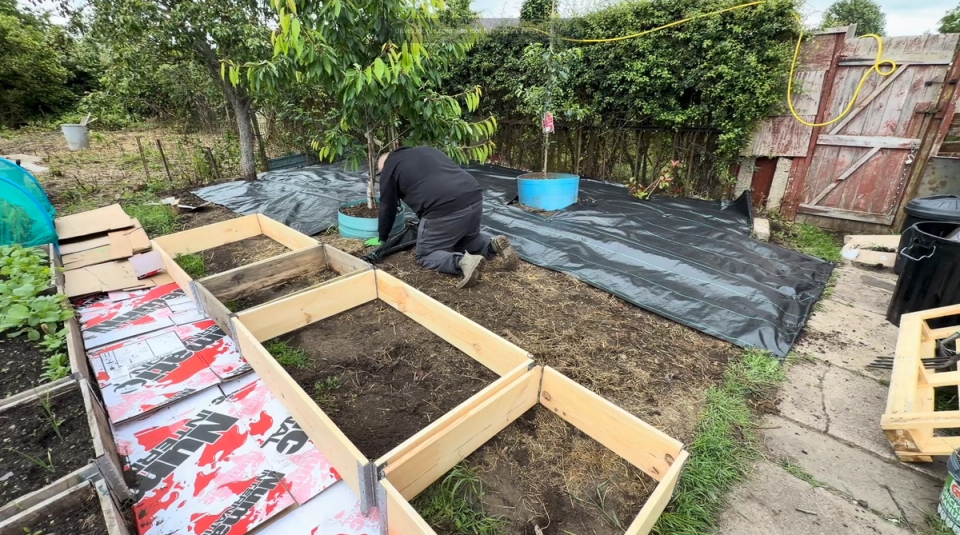
There is always a new plan to sketch out on the back of a seed packet, a funny mistake to laugh about, or a big project waiting to be tackled. Whether we are measuring out timber to build a new fruit frame, trying a completely experimental growing technique, or simply sitting side-by-side in the doorway of the Homestead, enjoying a hot, well-earned cup of tea after a morning of heavy digging, it is the time spent together in the quiet of the countryside that makes this space truly special.
THE HEART OF TOWNES & MURRAY
This shared joy is exactly what inspired us to build the Townes & Murray
community. We wanted a dedicated space to document the honest reality of our
journey to celebrate the beautiful successes, laugh at the inevitable
failures, and hopefully inspire someone else to open an allotment gate
and get their hands dirty.
We certainly don't claim to be experts or know all the answers. In fact,
we are probably learning just as much as anyone reading our posts.
But that is precisely why we love sharing the adventure.
Looking Ahead to the Next Horizon
As the natural arc of one growing season slowly winds down and the days begin to draw in, a brand-new season is already quietly taking shape in our minds. The allotment journey is an endless circle; the moment the ground goes to sleep for winter, the notebooks come out, and the dreams for next spring begin to spark.
There are always new, unusual crop varieties we want to try, structural improvements we want to build, and fresh ideas for getting the absolute most out of our 800-square-yard kingdom. From testing out heritage seeds to re-mapping our crop rotations, there is never a shortage of big plans inside the Homestead.
We will undoubtedly encounter a few setbacks, unexpected weather events, and stubborn pests along the way, but we welcome them as part of the adventure. And that is the truly wonderful, timeless thing about allotment gardening: you never really finish. The story is never truly done. There is always another seed to plant, another harvest to gather, and something beautiful new to discover together.
Join Us on the Avenue
Whether you are currently nurturing your very first tomato seedling on a kitchen windowsill or have spent decades tending to your own established plot, we hope Townes & Murray gives you a little bit of inspiration to step outside and connect with the earth. We are so excited to keep sharing our ongoing building projects, seasonal kitchen recipes, growing experiments, and all the messy, everyday moments that make this lifestyle so incredibly rewarding.
After all, at the end of the day, it's not just about what we manage to grow out of the soil. It's about everything we learn, and who we become, along the way.